Review: It’s Not the Bunny, It’s About the Lamb Design
As a designer who spends more time staring at stitch simulations than actual fabric, I have learned that not every cute graphic translates well into thread. We often see adorable Graphics in the Crafts niche that look perfect on a screen but turn into a tangled mess under the needle. That is why I took a close, practical look at the digital file titled It s Not the Bunny It s About the Lamb. This is not just a quick glance; this is an evaluation of how this design holds up when you are trying to run a profitable craft business or create a memorable personalized gift.
First Impressions and Visual Personality
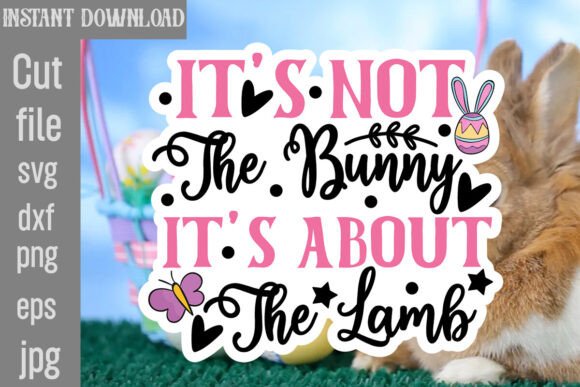
The first thing that strikes me about It s Not the Bunny It s About the Lamb is its playful subversion of expectations. In a market saturated with standard Easter motifs, this design offers a witty twist that appeals to modern buyers. The layout feels balanced, with a clear focal point that draws the eye without overwhelming the surrounding negative space. For an embroidery designer, this is crucial. You want a design that speaks clearly from a distance, especially when it is stitched onto a tote bag design or a sweatshirt embroidery project where detail can get lost in the fabric texture.
The mood is lighthearted and whimsical, making it an excellent candidate for spring collections, nursery decor, or casual apparel. However, the true test is not how it looks as a PNG preview, but how those shapes convert into stitches. Does the typography remain legible? Do the illustrative elements require excessive stitch density that might pucker thin fabric? These are the questions I ask before I even open my digitizing software or load a file into my machine.
Real-World Application: The Custom Tote Test
To understand the practical value of this asset, let us imagine a real scenario. You are preparing a batch of custom canvas totes for a local spring market. You choose It s Not the Bunny It s About the Lamb because it stands out from the generic floral patterns everyone else is selling. You select a natural cotton canvas, which has a visible weave. Here, the quality of the underlying vector matters immensely.
Since the download includes an SVG and an EPS file, you have the flexibility to resize the design without losing clarity. This is vital for adapting the artwork to different hoop size constraints. If you are stitching on a standard 5x7 hoop, you need to ensure the text does not become so small that the running stitch or satin stitch outlines blur together. In my experience, designs with witty phrases like this one rely heavily on font readability. If the letters are too intricate, they may fill in with thread, turning your clever message into an unreadable blob. I recommend testing this specific layout on a scrap piece of your intended fabric to check the spacing between the lamb illustration and the text.
Versatility Across Products
Beyond totes, this design shows promise for custom apparel. Imagine it embroidered on the chest of a lightweight hoodie or as a large back print on a children’s t-shirt. The theme fits perfectly into the baby embroidery niche, offering parents a humorous alternative to traditional religious or secular Easter imagery. It also works well for holiday embroidery projects that need to feel fresh and contemporary.
For Etsy seller accounts and small shop product lines, versatility is key. You can use the included PNG file with a transparent background to create high-quality printable mockup images for your online listings. This allows customers to visualize the finished product before they buy, increasing conversion rates. Furthermore, the DXF file ensures compatibility with cutting machines, meaning you could potentially pair the embroidery with a vinyl accent or create a hybrid applique project, though you should verify if the design was originally digitized for applique or standard fill stitching.
Technical Considerations and Pitfalls
While the concept is strong, there are areas where caution is necessary. Any design involving text and illustration requires careful attention to thread colors. High contrast is your friend here. If you stitch white thread on a cream-colored towel, the nuance of the lamb’s features might disappear. Always check your design in black and white mode on your computer screen before stitching. If the details vanish in grayscale, they will likely vanish in thread too.
Another critical factor is fabric choice. This design may struggle on highly textured fabrics like thick terry cloth towels unless you use a substantial cut-away stabilizer. On stretchy fabrics like jersey knits, you must ensure the digitizing includes proper underlay stitches to prevent distortion. If the design was not originally created as a specialized machine embroidery design but rather as a general graphic, you might need to adjust the stitch types manually. For instance, converting large solid areas to a fill stitch with appropriate density can prevent the fabric from puckering.
Be mindful of curved surfaces as well. Placing this design on a cap or hat requires centering precision. The text length must fit within the available stitching area of the cap’s front panel. If the phrase is too long, it may wrap around the curve awkwardly, distorting the visual balance. In such cases, consider stacking the text or reducing the font size, ensuring it remains above the minimum readable threshold for embroidery.
Enhancing Brand Value and Customer Trust
Using unique assets like It s Not the Bunny It s About the Lamb helps build brand consistency. When customers see a cohesive, witty aesthetic across your commercial embroidery offerings, they perceive higher value. It signals that you are not just slapping generic clipart on shirts, but curating a specific vibe. This attention to detail fosters customer trust and encourages repeat business.
Moreover, the humor in the design makes it highly shareable on social media. A well-stitched, funny design is more likely to be photographed and tagged by happy customers, providing you with free marketing. It transforms a simple handmade product into a conversation starter, whether it is an embroidered patch on a denim jacket or a motif on a kitchen apron.
Practical Designer Notes for Best Results
Before you commit to a large production run, follow these steps to ensure quality:
- Test on Scrap Fabric: Always stitch a sample on the exact material you plan to sell. Check for registration issues between color stops.
- Check Stitch Density: If the design feels stiff after stitching, the density may be too high. Adjust your machine settings or edit the file if you have the skills.
- Verify Licensing: Since this is a digital embroidery file, confirm the license terms. Ensure you are allowed to use it for commercial embroidery sales if you plan to sell finished items.
- Inspect Small Details: Zoom in on the EPS or SVG file. Are there tiny anchor points that might cause thread breaks? Clean up any unnecessary nodes before digitizing or stitching.
- Contrast Check: Test the design on both light and dark fabrics. You may need to create two versions of the file with different thread palettes to maintain visibility.
In conclusion, It s Not the Bunny It s About the Lamb is a promising asset for designers looking to add personality to their spring inventory. It bridges the gap between trendy graphics and functional embroidery, provided you respect the technical limitations of the medium. By paying attention to stabilizer choice, thread contrast, and hoop placement, you can turn this digital download into a standout small shop product that resonates with buyers looking for something uniquely charming.