Reviewing Difference Makes Svg Teacher Svg for Embroidery
As a designer who spends more time staring at stitch simulations than I care to admit, I have learned that not every digital file translates well to thread. We live in an era where Crafts and digital design intersect constantly, but the gap between a crisp vector on a screen and a textured finished product is where many projects fail. Recently, I evaluated Difference Makes Svg Teacher Svg to determine if it holds up under the needle. This is not just about whether the lines are clean; it is about whether the design respects the limitations of fabric and the expectations of the end user.
First Impressions and Visual Personality
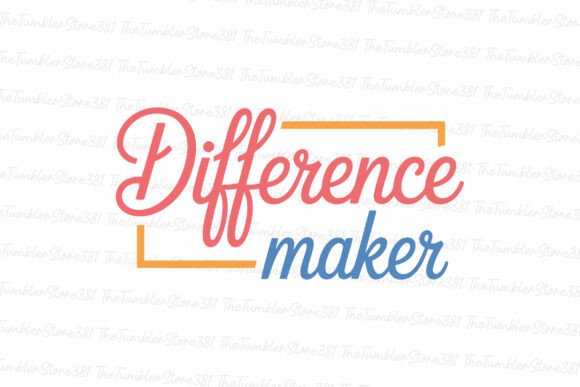
When I first loaded Difference Makes Svg Teacher Svg into my workspace, the immediate takeaway was its thematic clarity. The phrase "Difference Makes" carries a weight of inclusivity and educational value, which resonates deeply within the teacher community. Visually, the layout feels balanced, avoiding the clutter that often plagues text-heavy Graphics. For an embroidery designer, this simplicity is a blessing. Complex, overly detailed vectors often result in messy stitching, especially when scaled down. This design, however, appears to prioritize readability and impact, which suggests it would perform well as a focal point on various garments.
The mood it creates is professional yet approachable. It does not scream for attention with chaotic elements; instead, it invites a closer look. This subtle confidence is exactly what you want in a personalized gift or a piece of custom apparel intended for daily wear. Teachers, in particular, appreciate designs that are meaningful without being ostentatious, and this SVG seems to hit that sweet spot.
Real-World Application: The Tote Bag Test
To truly understand how Difference Makes Svg Teacher Svg performs, I imagined a specific real-life scenario: creating a durable, stylish tote bag for a local educator. Tote bags are a staple in the craft business world, often used for carrying books, grading papers, and classroom supplies. They are also subjected to frequent washing and heavy use.
In this context, the design’s structure is crucial. If I were digitizing this for machine embroidery, I would need to consider how the letters interact with the canvas texture. A tote bag design requires robust stitching. The open spaces in the SVG allow for creative interpretation. One could use a dense fill stitch for a solid, bold look, or opt for a satin stitch border with a lighter fill to reduce stiffness. The latter is often preferred for larger text areas to prevent the fabric from puckering. The visual appeal here lies in the contrast between the thread and the fabric. A cream-colored thread on a navy canvas, for instance, would make the message pop while maintaining a classic aesthetic.
Versatility Across Products
Beyond tote bags, this design shows promise across a wide range of embroidery project types. For sweatshirt embroidery, the design can be scaled up for the back or kept modest on the chest. Sweatshirts provide a thick, stable base that handles higher stitch density well, allowing for richer texture. However, one must be cautious with the hoop size. Ensuring the design fits comfortably within standard hoops without excessive re-hooping is essential for maintaining alignment and professionalism.
For baby embroidery items, such as onesies or bibs, the scale must be reduced significantly. Here, the simplicity of Difference Makes Svg Teacher Svg becomes even more critical. Tiny details can get lost or become tangled in small hoops. If the SVG includes intricate flourishes, they might need to be simplified or removed entirely for smaller applications. On the other hand, for holiday embroidery projects like ornaments or pillow covers, the design can serve as a central motif, surrounded by decorative borders or seasonal elements.
Etsy sellers and small shop owners will find this versatility appealing. It allows for the creation of a cohesive product line. Imagine offering this design on aprons for science teachers, patches for laptop bags, or even as part of a larger collage on a quilt. The key is consistency in presentation. Using high-quality thread colors and proper stabilizer ensures that each item looks premium, regardless of the substrate.
Technical Considerations and Pitfalls
While the design is strong, there are areas where caution is necessary. Any experienced embroiderer knows that text-based designs can be tricky on textured fabrics. If you are working with a rough linen or a highly textured towel, the edges of the letters may not appear as sharp as they do on smooth cotton. In such cases, using a cutaway stabilizer is non-negotiable to support the stitches and prevent distortion.
Another consideration is the choice between applique and direct embroidery. The description mentions it is an SVG cut file, which implies it can be used for vinyl cutting or as a template for applique design. If using it for applique, the fabric choice for the letters becomes part of the design language. A felt applique with a zigzag border gives a soft, handmade feel, while a satin-stitched edge offers a more polished, commercial look. For commercial embroidery, consistency is key, so digitizing the file properly for machine use is often safer than relying on manual applique for large batches.
Dark fabrics present another challenge. If stitching light thread on dark fabric, the underlying material can show through gaps in the stitching. A proper underlay stitch is essential to cover the fabric completely. Additionally, testing the design in black and white mockups helps identify potential contrast issues before committing to expensive threads and materials.
Enhancing Brand Value and Customer Trust
Ultimately, the success of Difference Makes Svg Teacher Svg in a small shop product lineup depends on how it enhances brand value. A well-executed embroidery job signals quality. When customers see clean lines, secure thread ends, and appropriate fabric handling, their trust in the brand grows. This design, with its meaningful message, has the potential to become a bestseller if presented correctly.
For digital embroidery file sellers, providing clear instructions on recommended hoop sizes and stitch types can set your product apart. Even if you are selling the physical embroidered item, showcasing the design on various backgrounds in your printable mockup or product photos helps buyers visualize the final result. Highlighting the durability of the stitch work assures customers that the item will withstand the rigors of a teacher’s daily life.
Practical Designer Notes
Before launching any product featuring this design, I recommend a few final checks. First, always test the design on scrap fabric identical to your production material. This reveals any tension issues or puckering tendencies. Second, verify the licensing terms. Since the product is described as perfect for DIY and handmade business lines, ensure you have the right to sell finished items commercially. Third, consider the fabric texture and weight. Lightweight fabrics may require additional stabilizing layers, while stretchy knits need careful hooping to avoid distortion.
In conclusion, Difference Makes Svg Teacher Svg is a versatile and meaningful asset for any designer working in the education niche. Its strength lies in its clarity and emotional resonance. By paying attention to technical details like stitch density, stabilizer choice, and fabric compatibility, you can transform this digital file into a high-quality handmade product that customers will cherish. Whether for a custom apparel line or a unique embroidered patch, this design proves that thoughtful execution is just as important as the initial concept.